
This timeline presents a chronological overview of the key historical periods that shaped the region. From early indigenous communities and colonial expansion to urban development, social movements, and cultural milestones, each era is introduced with a brief summary and a link to explore more in detail. Whether you're browsing casually or researching specific events, this is a great place to begin your journey through local history.
Before 1700 – Footprints, Strandlopers, and Khoisan Lifeways
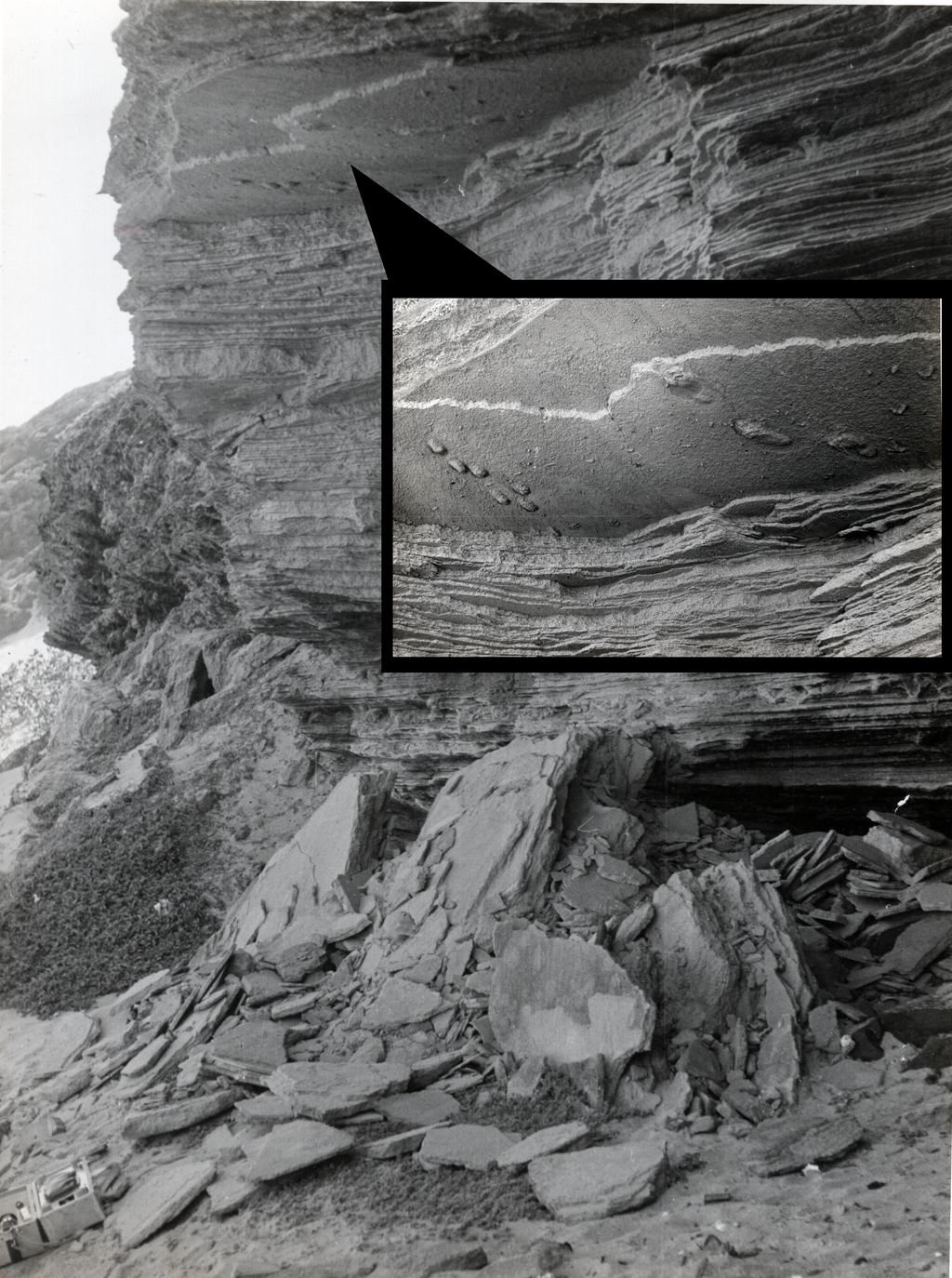
Discover the earliest chapters of life along the Buffalo River mouth. Archaeological finds, from ancient footprints to shell middens and stone tools, reveal a landscape shaped by San and Khoi communities. In 1660, the area was home to Khoisan peoples, long before Bantu-speaking groups reached this part of the coast.
1700s – Arrival of Nguni-speaking Groups and the Rise of the Xhosa Chiefdoms
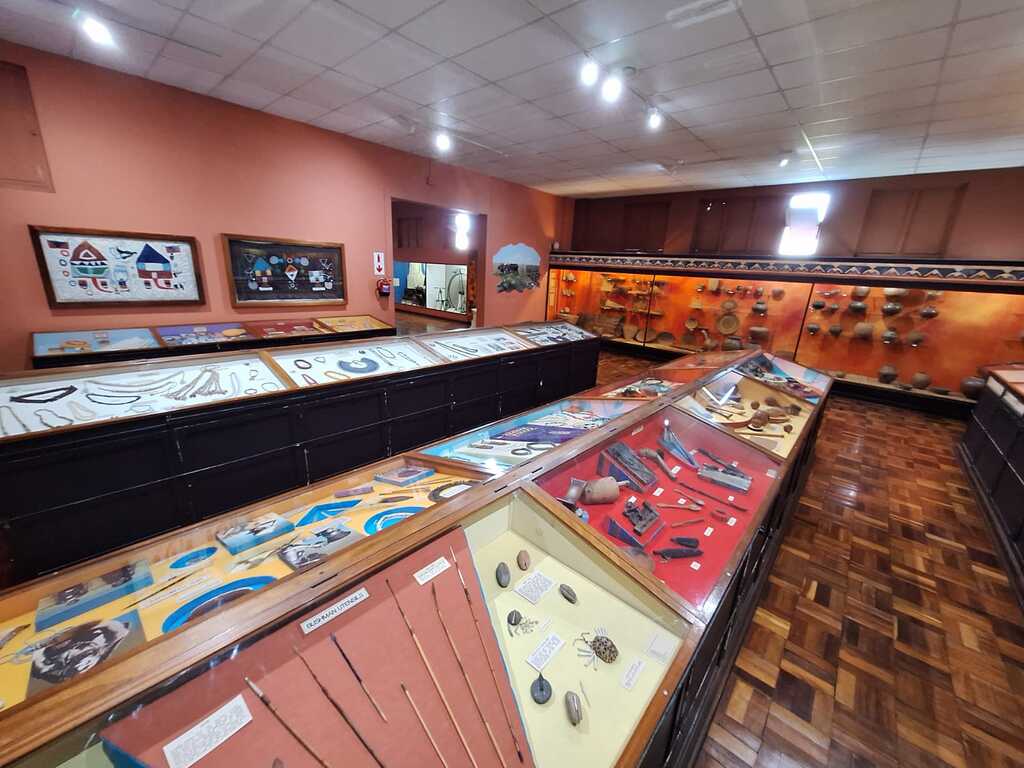
The 18th century saw Nguni-speaking groups move southward, giving rise to the Xhosa chiefdoms. This period marked growing interaction between Khoisan and Xhosa communities, through trade, language, and shared frontiers, as the region’s cultural landscape began to change.
1800s – British Settlement, Fort Glamorgan, and the Frontier Wars
European arrival reshaped the Buffalo River region. British settlers founded Fort Glamorgan and established East London amid a turbulent period of land disputes, frontier conflicts, and missionary activity that profoundly altered indigenous life and land use.
Late 1800s to Early 1900s – Port, Shipping, and Industrialisation
With the harbour’s expansion and the arrival of the railway, East London grew into a vital trade hub. Industry, shipping, and urban development transformed the once quiet river mouth into a bustling colonial port city.
Mid 1900s – Segregation, Resistance, and the Growth of Mdantsane
Apartheid policies reshaped East London’s communities through forced removals and segregation. Mdantsane emerged as a centre of urban life and resistance, fostering a strong spirit of identity, activism, and culture amid harsh restrictions.
1994–Present – Democracy, Heritage, and Identity
Post-apartheid East London continues to redefine itself through preservation, inclusivity, and renewal. From heritage restoration to community projects, this era reflects a city reconnecting with its layered past while shaping a shared future.
Explore the full sweep of East London’s history — from the earliest human footprints along the Buffalo River to the vibrant city of today. This living timeline traces the people, places, and moments that shaped the region over thousands of years. Each entry offers a glimpse into a distinct era, with links to deeper stories and archives that bring the past to life.
/timeline/early-inhabitants/
Before 1700 – Footprints, Strandlopers, and Khoisan lifeways
Focus on the San and Khoi presence along the Buffalo River mouth
Include the 1660 reference to documented habitation by Khoisan communities
Mention archaeological evidence (footprints, shell middens, stone tools, etc.)
Note that Bantu-speaking groups had not yet reached the area
/timeline/xhosa-expansion/
1700s – Arrival of Nguni-speaking groups and emergence of the Xhosa chiefdoms
Trace how Xhosa expansion brought interaction and, eventually, displacement
Discuss trade, language, and cultural blending in the frontier zone
/timeline/colonial-contact/
1800s – British settlement, Fort Glamorgan, and the Frontier Wars
The establishment of East London, land conflicts, missionary activity
/timeline/industrial-growth/
Late 1800s to early 1900s – Port, shipping, and industrialisation
/timeline/apartheid-era/
Mid 1900s – Segregation, resistance, and the growth of Mdantsane
/timeline/contemporary/
1994–Present – Democracy, heritage, and identity